No Image
アーカイブを見る
PLAUSIBLE
パリのカタコンベ:光の都の地下に広がる死の帝国
1786|Historical Ossuary
Last updated: 16 Apr 2026
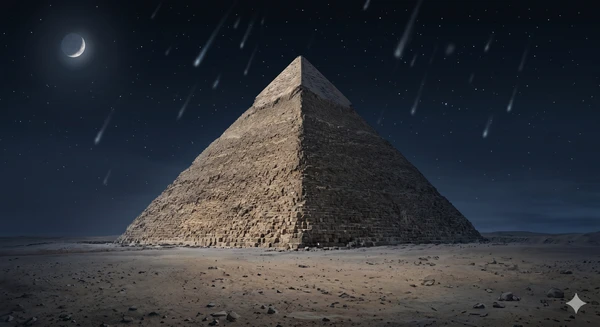
メキシコ北部のチワワ砂漠の奥深く、ドゥランゴ州、チワワ州、コアウイラ州の境界にまたがる約50キロメートルの乾燥した平原が、「ラ・ソナ・デル・シレンシオ(沈黙の地帯)」として知られている。伝説によれば、この地域では電波が一切届かず、コンパスは方向を示さずに回転し、テレビや衛星の信号も途絶えるという。また、隕石が異常な頻度でこの地に引き寄せられるとも言われている。1970年には、ユタ州からニューメキシコ州へ向けて発射された米空軍のアテナロケットが、説明のつかない偏向を起こし、数百マイルも逸れてこの地帯の正確な中心部に墜落した。このロケットには放射性コバルト57を含む二つの容器が搭載されていた。 沈黙の地帯は、バミューダトライアングル、エジプトのピラミッド、チベットの聖なる都市と同じ緯度上に位置しているという偶然があり、これが「地球エネルギーグリッド」や磁気渦、さらには地球外生命体の訪問といった数十年にわたる憶測を呼び起こしてきた。報告される現象には、紫色のサボテンや三角形の甲羅を持つカメといった突然変異した野生動物、神秘的な光、高身長の金髪の存在との遭遇、そして宇宙からの金属物体の異常な引き寄せなどが含まれる。 しかし、実際にこの地域で研究を行った科学者たちは異なる見解を示している。ゾナ・デル・シレンシオと重なるマピミ生物圏保護区で博士研究を行ったアンドレア・カウスは、電波の干渉もコンパスの異常も何ら確認できず、特異な現象は存在しなかったと報告している。唯一例外的であったのは、観光客や「ゾネロス」(現地の超常現象ガイド)がこれらの伝説を信じる非常に強い意欲であった。ゾナ・デル・シレンシオの真実は、伝説と否定の間のどこかに位置しており、その理由が超自然的なものではなく地質学的なものであったとしても、実際にこの地形は極めて特異であると言える。
The region lies beneath the Tethys Ocean. Marine organisms deposit the calcium, salt, and mineral layers that will become the Zone’s distinctive geology.
The sea retreats. The Chihuahuan Desert forms. The ancient seabed’s mineral deposits—including magnetite, iron ore, and salt—remain in the soil.
Local farmers and ranchers report “hot pebbles” falling from the sky—small meteorites that the region seems to attract with unusual frequency.
Mexican pilot Francisco Sarabia reports radio failure and instrument malfunction while flying over the region—the first documented claim of electromagnetic anomaly in the area.
The Allende meteorite—a 2-ton carbonaceous chondrite—explodes over the town of Pueblito de Allende, near the Zone. Fragments are scattered across hundreds of square kilometers. The meteorite becomes one of the most studied in history, containing pre-solar grains older than the solar system itself.
An Athena RTV test rocket, launched from Green River, Utah, toward White Sands Missile Range, New Mexico, veers hundreds of miles off course, crosses into Mexican airspace, and crashes in the heart of the Zona del Silencio. The rocket carries two containers of radioactive Cobalt-57.
The U.S. Air Force conducts a 28-day recovery operation. Temporary facilities—dormitories, labs, kitchens, medical units—are erected in the desert. Wernher von Braun reportedly visits the site. Hundreds of tons of contaminated topsoil are excavated and removed. A temporary rail extension is built to extract the rocket. Local residents are hired as laborers and guards. The secrecy of the operation fuels local speculation.
A local guard hired during the recovery operation begins spreading stories of electromagnetic anomalies, radio blackouts, and strange phenomena in the area. The name “Zona del Silencio” enters popular usage. Tourism begins.
The Mexican government establishes the Mapimí Biosphere Reserve, encompassing the Zone. The Laboratorio del Desierto research station is constructed. Scientists begin studying the unique desert ecosystem.
The Zone of Silence becomes a major paranormal tourism destination. “Zoneros”—local guides who promote the supernatural narrative—establish a small industry. Reports of UFO sightings, alien encounters, and magnetic anomalies proliferate in Mexican and international media.
Andrea Kaus publishes her doctoral research on the Mapimí Biosphere Reserve, reporting no electromagnetic anomalies and attributing the legend to post-1970 local entrepreneurialism.
The Zone remains a popular tourist destination and paranormal site. Ecological researchers express concern that “zoneros” and tourists are damaging the biosphere reserve by collecting natural and historical artifacts. The legend continues to grow.